
Losing a loved one brings many difficult decisions, and understanding funeral traditions can feel overwhelming during an already emotional time. One of the most common questions families ask is: “What is a funeral visitation?”
This gathering serves as a meaningful opportunity for friends, family, and community members to come together, share memories, and offer support to those who are grieving.
Understanding the Purpose of a Funeral Visitation
A funeral visitation, also known as a viewing, wake, or calling hours, is a designated time before or after a funeral service when people can gather to pay their respects to the deceased and offer condolences to the family.
This tradition serves multiple important purposes that benefit both the grieving family and the broader community.
The primary purpose of a visitation is to provide a less formal environment than a funeral service where people can express their sympathy, share memories, and offer emotional support.
Unlike the structured nature of a funeral ceremony, visitations allow for personal conversations and intimate moments of remembrance that can be deeply healing for those who are mourning.
Visitations also serve as a bridge between the immediate family’s private grief and the community’s desire to show support. They create space for acquaintances, coworkers, neighbors, and distant relatives to participate in honoring the deceased’s life, even if they cannot attend the formal funeral service.
The Difference Between a Visitation, Viewing, Wake, and Calling Hours
A visitation is the broad term for any gathering where people come to pay respects, regardless of whether the deceased’s body is present. This inclusive term covers various formats and can accommodate different religious and cultural preferences.
A viewing refers to times when the deceased’s body is present, typically in an open casket, allowing attendees to see and say goodbye to their loved one. Some families choose to have both open and closed casket portions during their visitation.
A wake traditionally refers to an overnight vigil with the deceased, though modern wakes typically last several hours rather than through the night. This term has strong roots in Irish and Catholic traditions but is used more broadly today.
Calling hours emphasize the social aspect of the gathering, focusing on the time when people “call upon” the family to offer condolences and support. This term is commonly used in the Northeast, including here in Pittsburgh.
What Happens During a Funeral Visitation
Funeral visitations follow a general structure while remaining flexible. Understanding what typically happens can help both attendees and families feel more prepared and comfortable.
Arrival and Sign-In Process
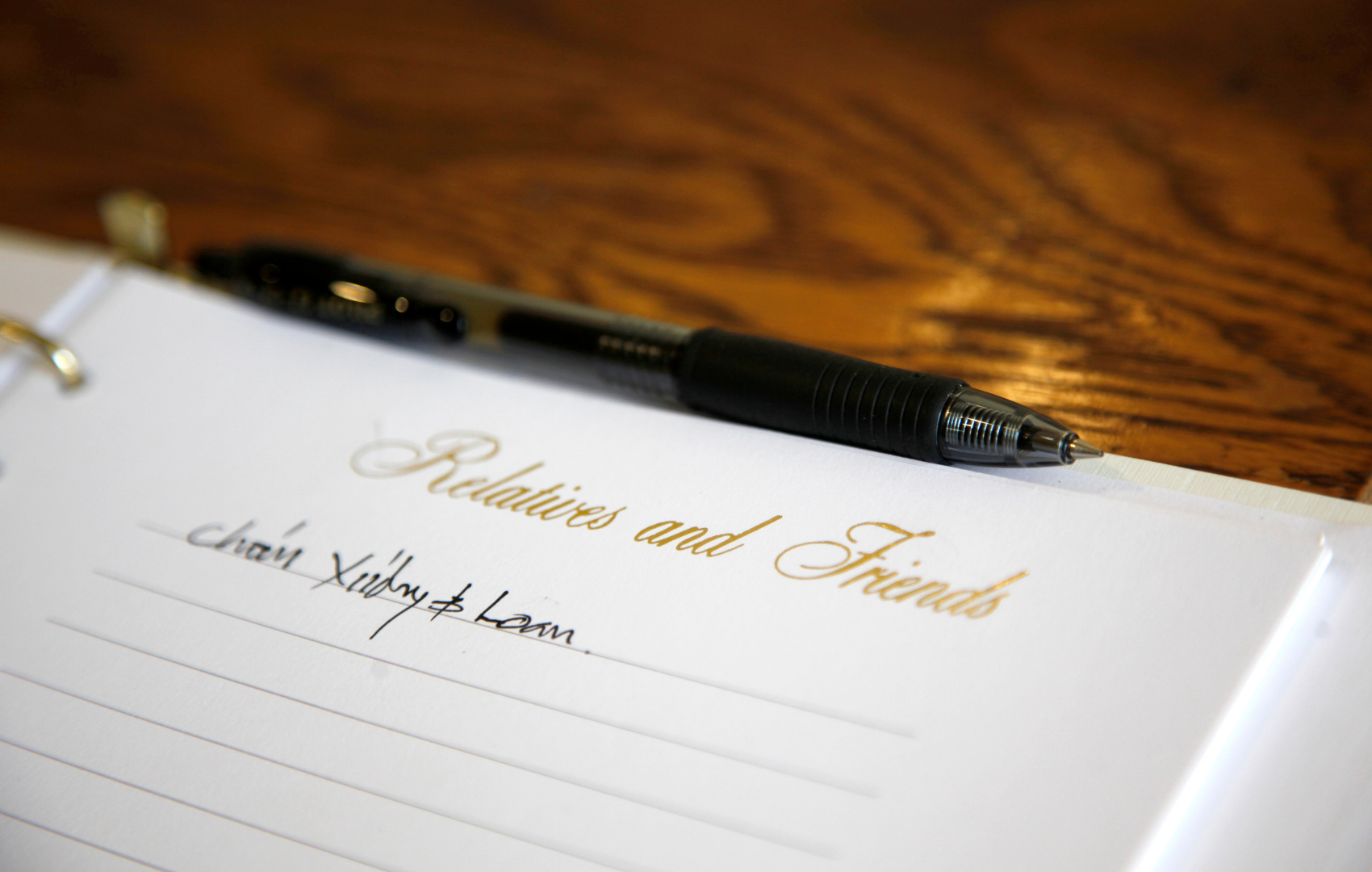
Most visitations begin with guests signing a guest book or memorial register. This serves as a lasting record for the family of everyone who came to pay their respects. Some families also display photos, memorabilia, or memory boards near the entrance.
Funeral home staff are always present to assist guests, answer questions, and ensure everything runs smoothly. They can direct visitors to restrooms, provide information about the service schedule, and help with any special accommodations needed.
Paying Respects and Offering Condolences
The heart of any visitation involves approaching the family to offer condolences and support. This typically happens near the casket or in a designated receiving area where immediate family members stand or sit to greet visitors.
A simple, heartfelt expression of sympathy is most appropriate. Phrases like “I’m sorry for your loss,” “My thoughts are with you,” or sharing a brief, positive memory of the deceased are all meaningful ways to offer support.
Physical gestures like handshakes, hugs, or gentle touches on the shoulder are common, depending on your relationship with the family and their comfort level.
Viewing and Personal Reflection
If the family has chosen an open casket, guests typically have the opportunity to approach and pay their final respects privately. This moment allows for personal reflection, prayer, or simply a quiet goodbye. There is no requirement to view the deceased if you’re uncomfortable doing so, and closed casket visitations are equally meaningful.
Some visitors choose to leave flowers, cards, or small mementos near the casket. Others prefer to make a donation to a charity specified by the family or sign a memory book with personal reflections about the deceased.
Types of Funeral Visitations

Funeral visitations can take many different forms, and families often choose the format that best reflects their loved one’s personality, their cultural background, and their own preferences for how they want to grieve and receive support.
Traditional Visitations
Traditional visitations typically last 2-4 hours and are held at a funeral home. They may occur the evening before the funeral service, a few hours before the service on the same day, or sometimes both. These gatherings maintain a respectful, subdued atmosphere while still allowing for conversation and connection.
Celebration of Life Visitations
Some families prefer a more upbeat approach that emphasizes celebrating their loved one’s life rather than focusing solely on their death. These gatherings might include music that was meaningful to the deceased, displays of their hobbies or achievements, or even light refreshments.
Celebration of life visitations often encourage storytelling and sharing of happy memories. They may take place in funeral homes, community centers, or other meaningful locations that reflect the deceased’s interests or personality.
Private Family Visitations
 Private visitations are limited to immediate family members and very close friends. These intimate gatherings allow for more personal grieving time and deeper conversations without the pressure of hosting a larger group.
Many families choose to have both a private family visitation and a larger public visitation, giving them space for intimate grief while still welcoming community support.
Frequently Asked Questions About Funeral Visitations
How long should I stay at a visitation?
There’s no set time requirement for attending a visitation. Your length of stay should be based on your relationship with the deceased and family, your own comfort level, and practical considerations. Close friends and family members often stay longer, while acquaintances might visit briefly to pay respects and offer condolences.
Generally, staying 15-30 minutes is appropriate for most attendees. This gives you time to sign the guest book, view any displays, speak with family members, and pay your respects without feeling rushed.
However, don’t feel obligated to stay longer than feels comfortable, and don’t worry if circumstances require a shorter visit.
Is it appropriate to bring children to a visitation?
Children are generally welcome at visitations, especially if they had a relationship with the deceased. However, consider the child’s age, maturity level, and your ability to supervise them appropriately. Prepare children beforehand by explaining what they’ll see and experience, and be ready to step out if they become upset or disruptive.
What if I can’t attend the visitation but want to show support?
If you can’t attend the visitation, there are many other ways to show support for the grieving family. You might send flowers or a sympathy card to the funeral home, make a donation to a charity specified by the family, or reach out directly to offer specific help in the days or weeks following the funeral.
Should I bring flowers or gifts to a visitation?
Flowers are traditional and always appropriate for visitations, whether sent in advance or brought with you. If you’re unsure about preferences, your florist or the funeral home can guide you toward appropriate arrangements.
End Note
At Slater Funeral Services, we’ve witnessed countless times how meaningful visitations can be for families navigating grief.
Understanding what funeral visitations involve can help both families and attendees approach these gatherings with confidence and focus on what truly matters: honoring a life well-lived and supporting those who continue to carry that person’s memory forward.
If you’re planning funeral services for a loved one, our experienced team at Slater Funeral Services is here to guide you with compassion, expertise, and respect. Every life deserves to be honored meaningfully, and every family deserves support during their time of loss.

