
Choosing between cremation and burial is one of the most significant decisions families face during an already difficult time. Both options offer meaningful ways to honor your loved one’s memory, but each comes with different considerations.
Understanding the differences, benefits, and considerations of cremation vs burial will help you make an informed decision during your time of grief.
What is Traditional Burial?
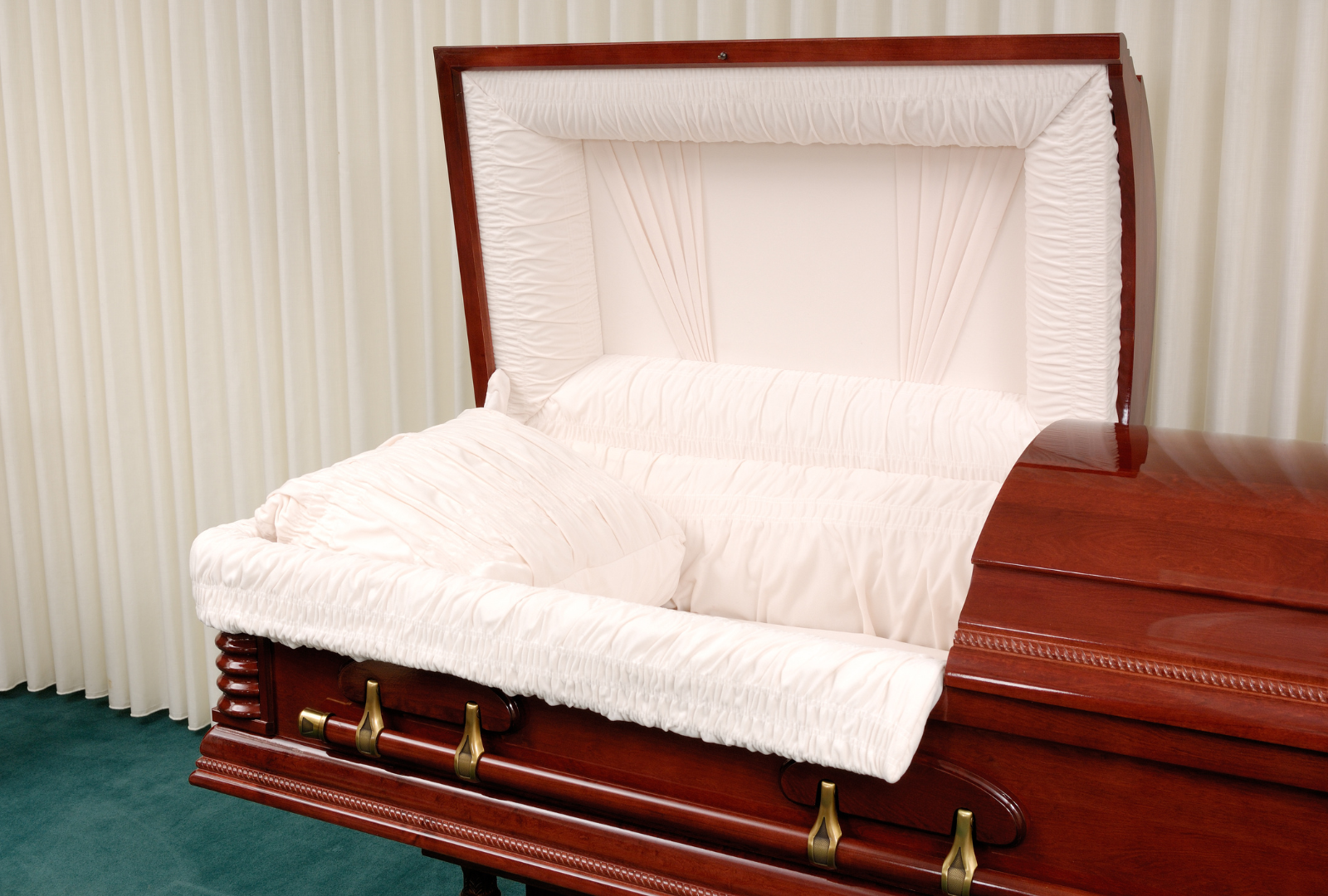
Traditional burial is a meaningful choice for many families. This option involves placing your loved one’s body in a casket and interring it in a cemetery or burial ground, creating a permanent physical location for remembrance and visitation.
We offer several burial options to meet different family preferences and budgets. Our full-service burial includes a visitation period where friends and family can pay their respects, followed by a formal ceremony with music, readings, and shared memories.
For families seeking a more intimate experience, our traditional burial services can be personalized. Embalming, vaults, and other conventional requirements can be eliminated when appropriate, allowing for more natural burial options that are both simple and meaningful.
What is Cremation?
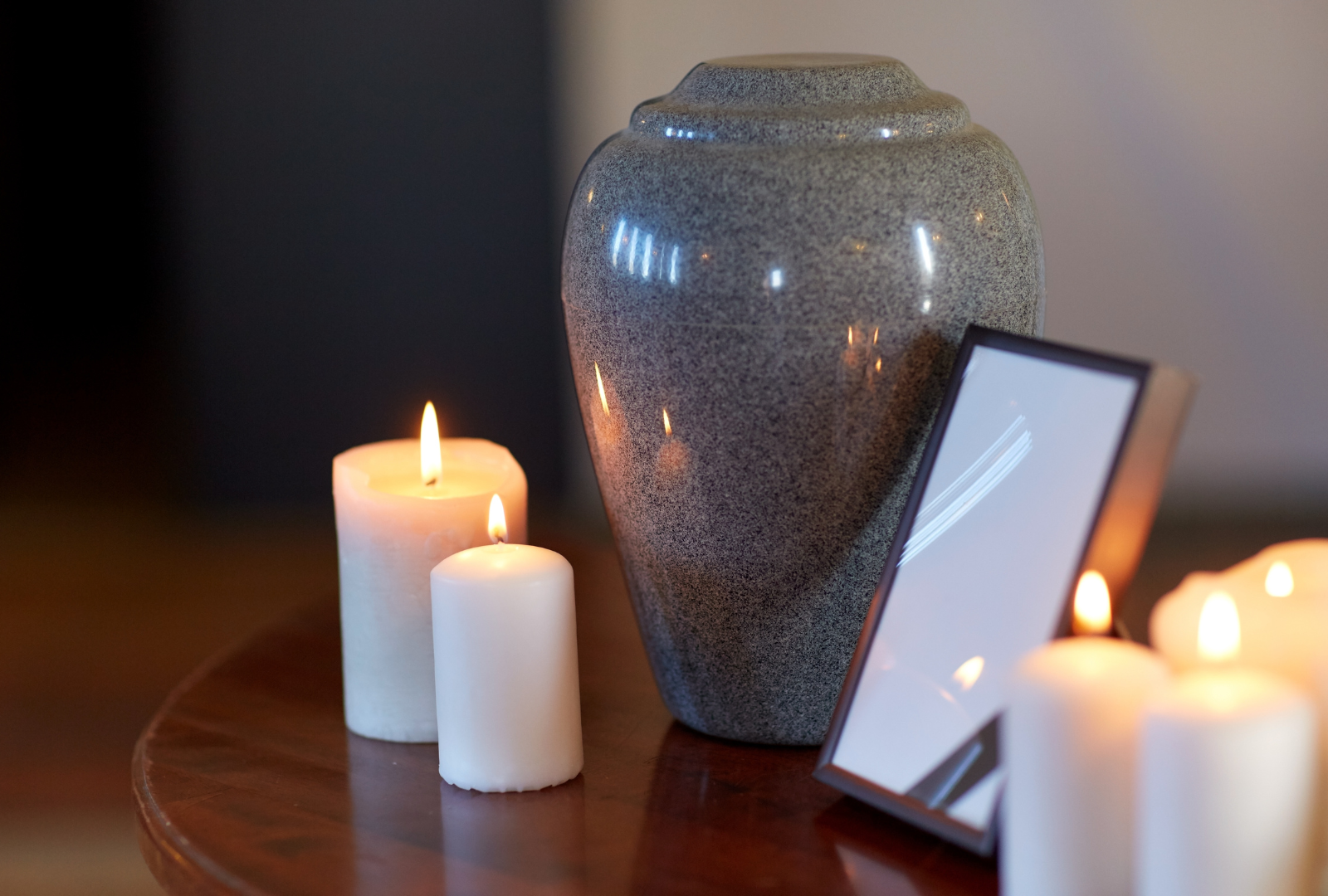
Cremation is an increasingly popular choice among American families, with rates continuing to rise nationwide. This process involves the careful reduction of the body through intense heat, resulting in cremated remains (often called cremains) that can be handled in various meaningful ways.
Many families appreciate cremation because it offers flexibility in timing and memorialization. Unlike burial, which typically requires immediate decisions about cemetery plots and burial timing, cremation allows families more time to plan memorial services and decide how to honor their loved one’s memory.
Our cremation services at Slater range from full service options with visitation and formal ceremonies to direct cremation for families preferring simpler arrangements.
Cremation vs Burial Costs
Budget is often a significant factor in planning, and there are notable cost differences between cremation and burial options.
In general, cremation is usually more cost-effective than traditional burial, mostly because it eliminates costs associated with cemetery plots, burial vaults, and caskets.
Traditional burial costs can include the purchase of a cemetery plot, ongoing cemetery maintenance fees, a burial vault or grave liner, and often a more expensive casket. Additional expenses may include monument or headstone costs, which can vary significantly based on materials and customization.
However, it’s important to remember that cremation costs can vary based on the services you choose.
Our full-service cremation, which includes visitation and formal ceremonies, will cost more than direct cremation.
Religious and Cultural Factors
Religious beliefs and cultural traditions often play crucial roles in deciding between cremation and burial.
Some religious traditions have historically favored burial, viewing the body as sacred and requiring respectful interment. Other faiths are more flexible.
Cultural background can also influence this decision significantly. Some cultures have deep-rooted burial traditions that span generations, while others have embraced cremation.
Flexibility and Future Planning
One significant advantage of cremation is the flexibility it offers for memorialization and final disposition of remains.
Cremated remains can be kept in decorative urns, scattered in meaningful locations (where legally permitted), divided among family members, or even incorporated into memorial jewelry or other keepsakes.
This flexibility extends to timing as well. Families can hold memorial services immediately or wait weeks or months to gather extended family members. Some families choose to hold multiple memorial services in different locations, which can be particularly helpful when family members live far apart.
Traditional burial, while offering less flexibility in terms of remains handling, provides the comfort of a permanent, physical location for visitation and remembrance. Many families find peace in having a specific place to visit, leave flowers, or simply sit quietly with their memories.
Making Your Decision
Ultimately, the choice between cremation and burial is deeply personal and should reflect your loved one’s wishes, your family’s needs, and your practical circumstances. There is no universally “right” choice, only what feels right for your specific situation.
Consider discussing this decision with family members, taking into account any expressed wishes from your loved one, religious or cultural considerations, budget constraints, and your family’s long-term needs for grief processing and remembrance.
Remember that either choice can be meaningful and appropriate. What matters most is that your decision brings peace to your family and honors the life of your loved one in a way that feels right to you.

